What real robotics looks like at 12 years old
A kit that works out of the box makes a good photograph. A robot that fails in front of a learner makes an engineer.
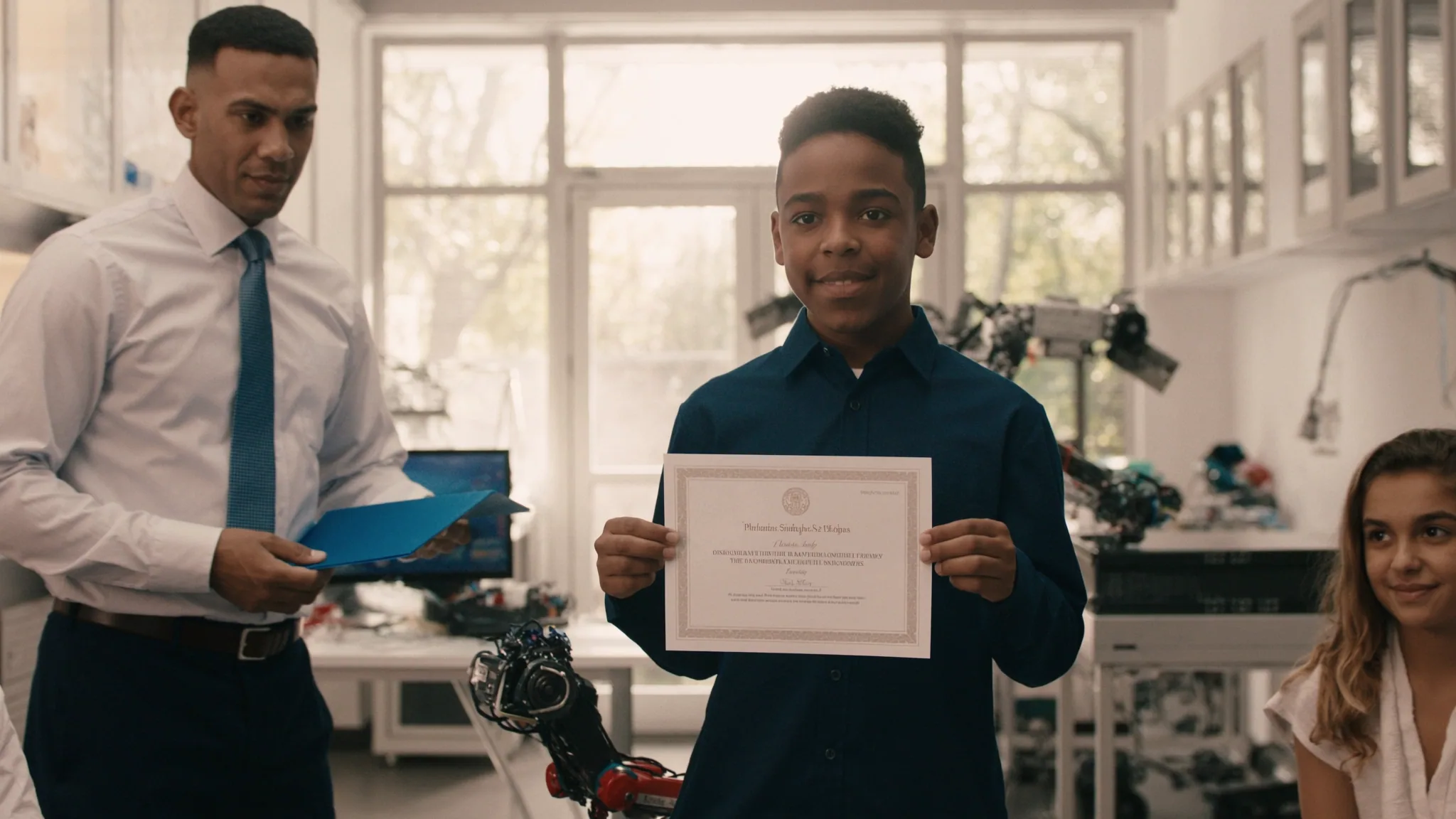
Most robotics marketing shows the same photograph: a child holding a finished robot, smiling. It is a real moment and there is nothing wrong with it. But it is the last ten seconds of a process, and the process is where everything worth having happens.
If you are choosing a program for a twelve-year-old, here is what the middle of it should look like.
The robot should be allowed to be wrong
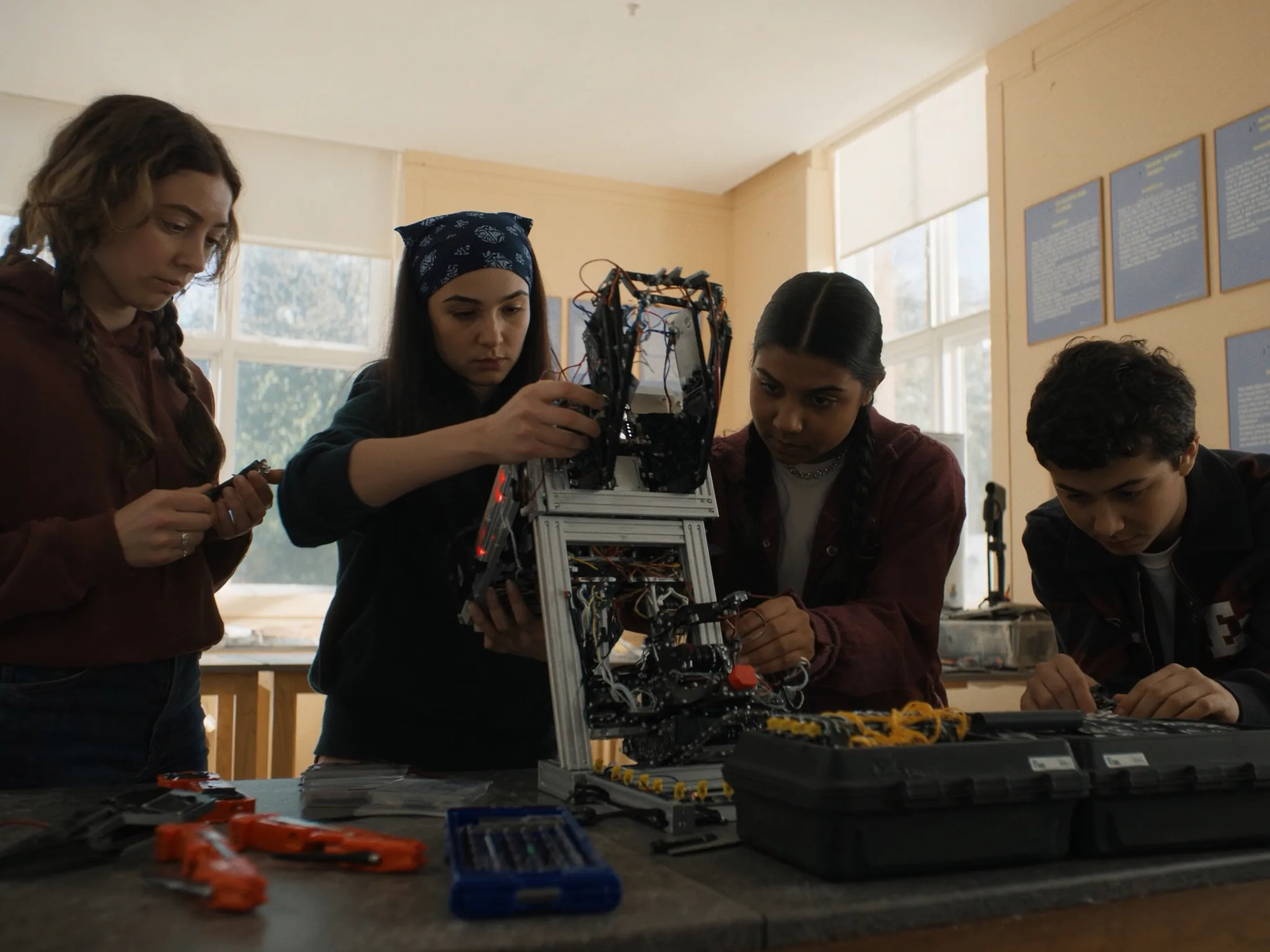
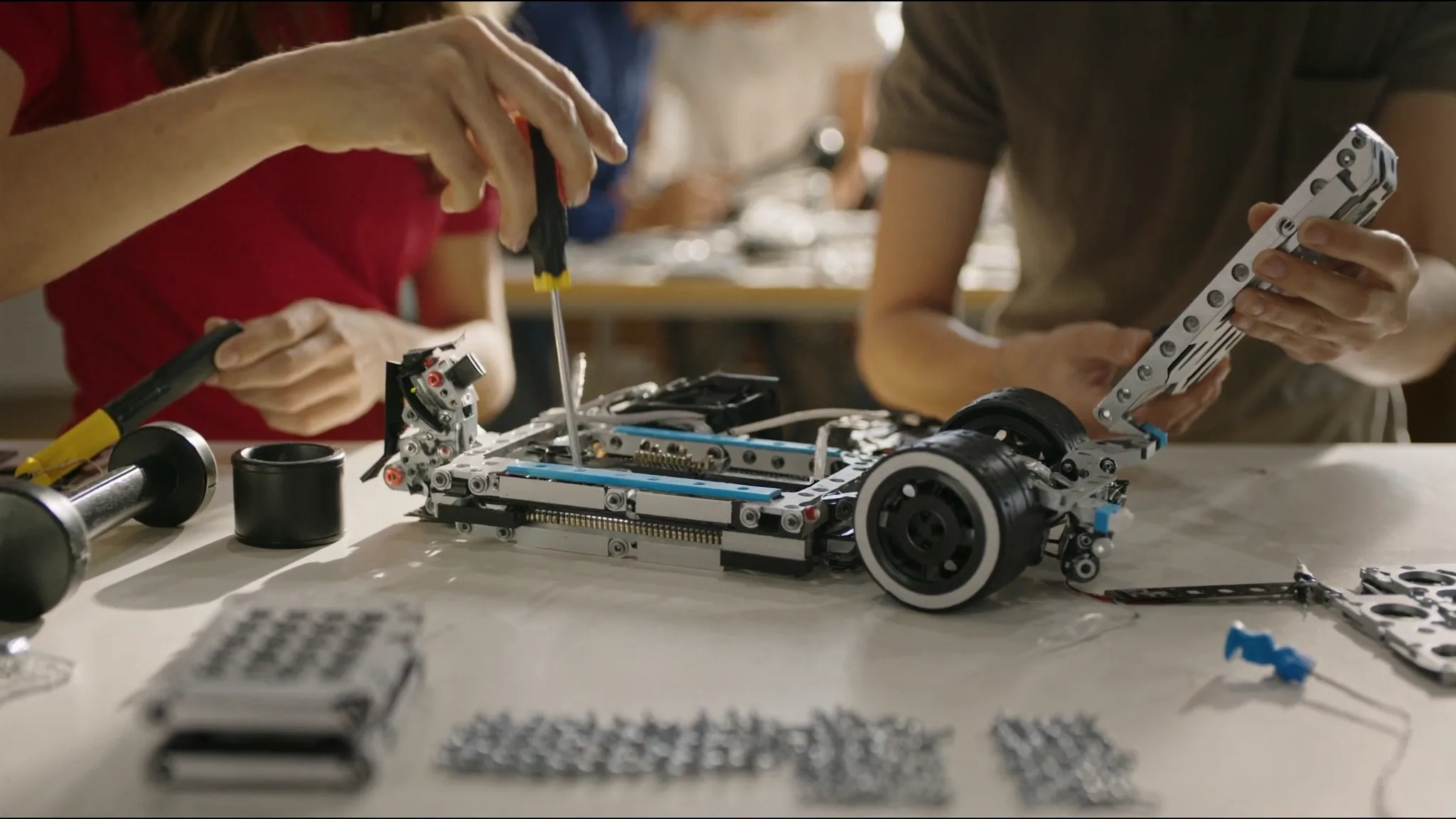
A kit that snaps together and works first time teaches assembly. Assembly is a fine skill and it is not engineering. Engineering starts at the point where something behaves unexpectedly and the learner has to work out why.
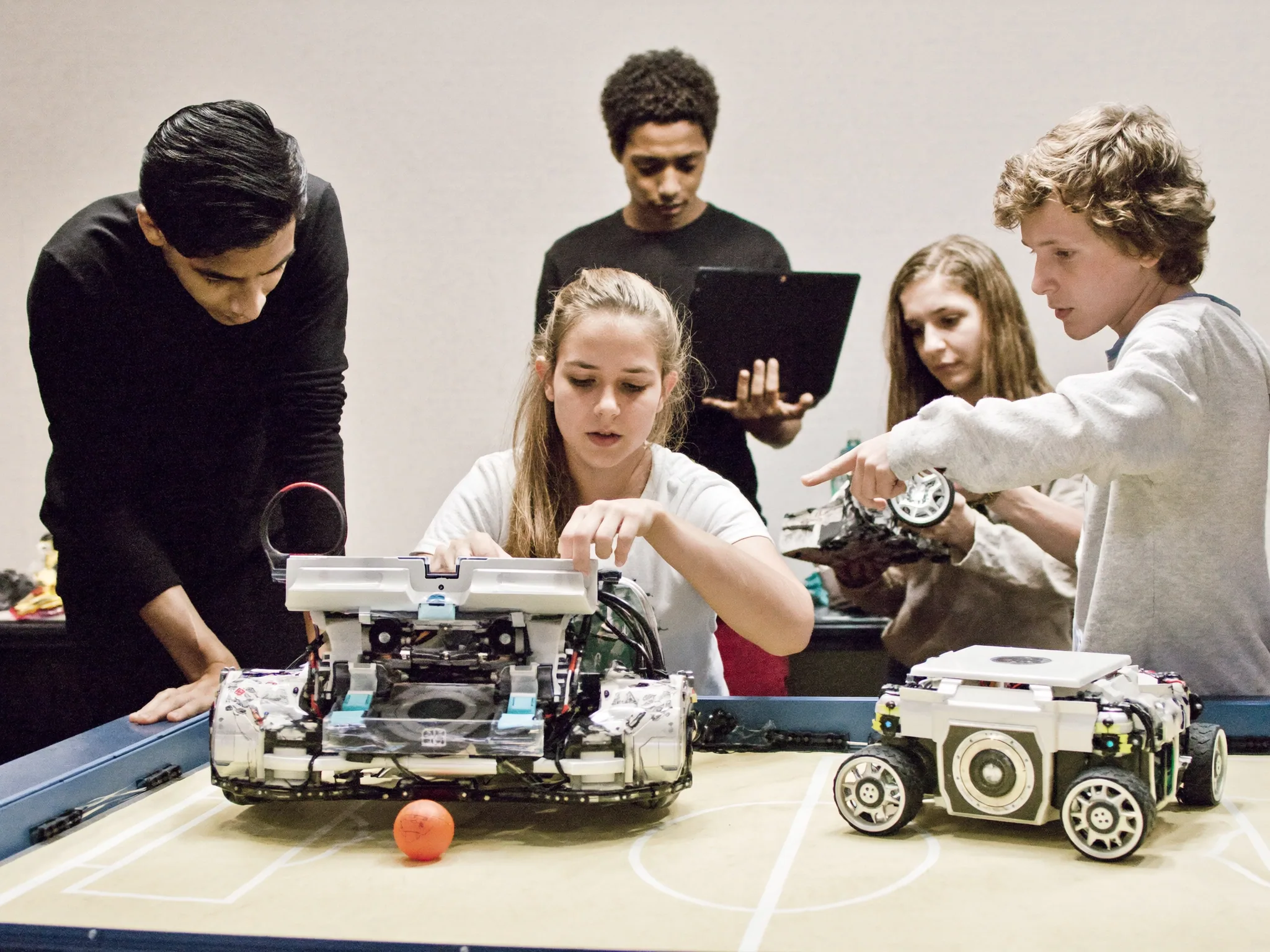
In a good session you will see robots driving into walls, motors spinning the wrong way, and a sensor reading a number nobody expected. You will also see the learner treating that as information rather than as failure, which is the actual thing being taught.
They should be able to explain their own robot
A useful test at pickup: ask what the robot does when it sees an obstacle. A learner who has built rather than followed will tell you which sensor is involved, roughly what number it reports, and what the robot decides to do about it.
A learner who was handed instructions will describe the finished behaviour without the mechanism. That gap is the whole difference between the two kinds of program.
Progress at this age is not linear
Twelve is old enough for real electronics and structured code, and young enough that a bad week can look like losing interest. Mechanical work usually clicks first, wiring second, and programming logic last. The order varies enough per learner that a rigid syllabus tends to lose someone.
What should be consistent is difficulty going up. If the builds in month six look like the builds in month one with different decoration, the program has stopped teaching.
What to expect at home
- More questions about how ordinary machines work, and fewer accepting answers.
- A period of being genuinely stuck, which is not a sign to intervene.
- Vocabulary arriving before the concepts fully settle, which is normal.
- An interest in taking something apart. Give them something you do not need.
The goal at twelve is not a competition trophy or a finished product. It is that the next time something does not work, the instinct is to investigate rather than to hand it to an adult.
- Parents
- Programs
- Learning