Educators & adults · In Person / Online

Instructor Development

Training for teachers and adults who want to run robotics themselves. You build the robots first, then learn to teach them.

Training for teachers, instructors and adult learners: hardware fluency, curriculum delivery, classroom safety and assessment.

Format
Cohort training
Level
Teaching-ready
Commitment
Certification path
Leads to
School programs, hub instruction, program leadership.
Why this exists

This is the point where the curriculum, the software and the hardware have to be teachable by somebody who did not write them. If a program cannot survive that handover, it cannot be installed in a school at all.

Who it is for
  • Teachers asked to start a robotics program
  • Instructors joining a school or academy delivering Maple Mind programs
  • Adults who want to teach rather than only build
Choose something else if…

What becomes real.

Capabilities, and how far this program takes each one.

  • Hardware troubleshooting

    Core

    Diagnosing a room full of half-working robots without stopping the session.

  • Curriculum pacing

    Core

    Running a level structure at the speed a real class moves.

  • Assessment and safety

    Core

    Judging what a learner can actually do, and running a lab safely.

  • Classroom robotics management

    Advanced

    Kits, spares, storage and the logistics that decide whether a program survives a term.

How it runs, and who it runs for.

  • Individuals

    Cohort training

    Join a cohort in person or online.

  • Schools and organizations

    Brought in-house

    Training your own staff is what the Power Your Team engagement model is built on: you deliver, we supply everything underneath.

What comes with it
  • MindLab Suite and the curriculum library
  • Classroom kits to train on
  • Ongoing support once programs run
What you bring
  • Time across the cohort
  • A willingness to be a beginner before being a teacher
For a school

As the route to running it yourself

For a school that wants ownership rather than a delivered service, this is the program that makes that possible.

Which of these lands on your staff depends on the engagement model: we run it, we run it with you, or you run it.

See how a school program works
What they build
  • Instructor build portfolio
  • Lesson delivery plans
What they learn
  • Hardware troubleshooting
  • Curriculum pacing
  • Assessment and safety
  • Classroom robotics management
Tools & technology
  • MindLab Suite
  • Curriculum library
  • Classroom kits
On the floor

What it is actually like.

One session, in the order it happens.

Beat 01

Build first

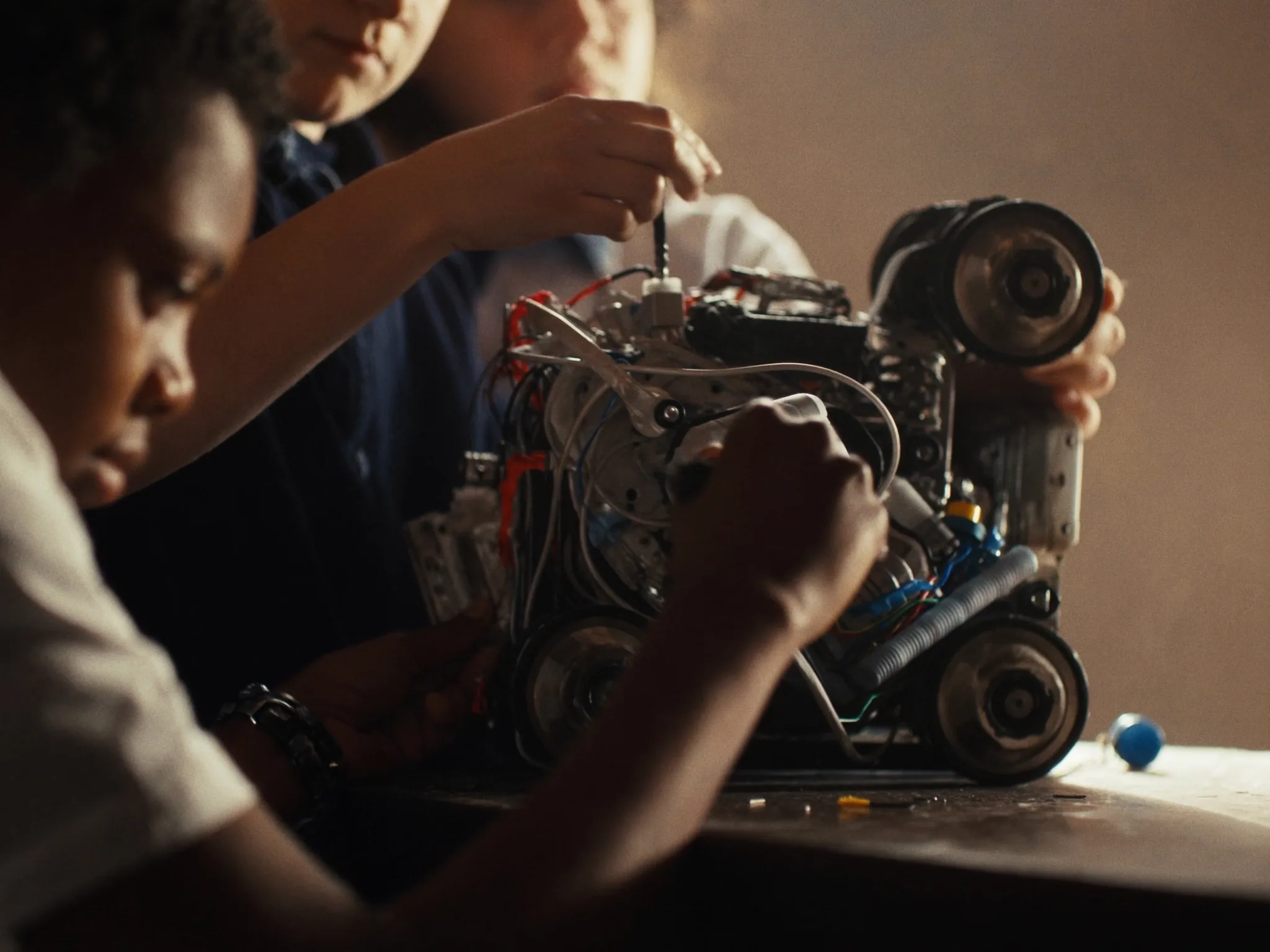
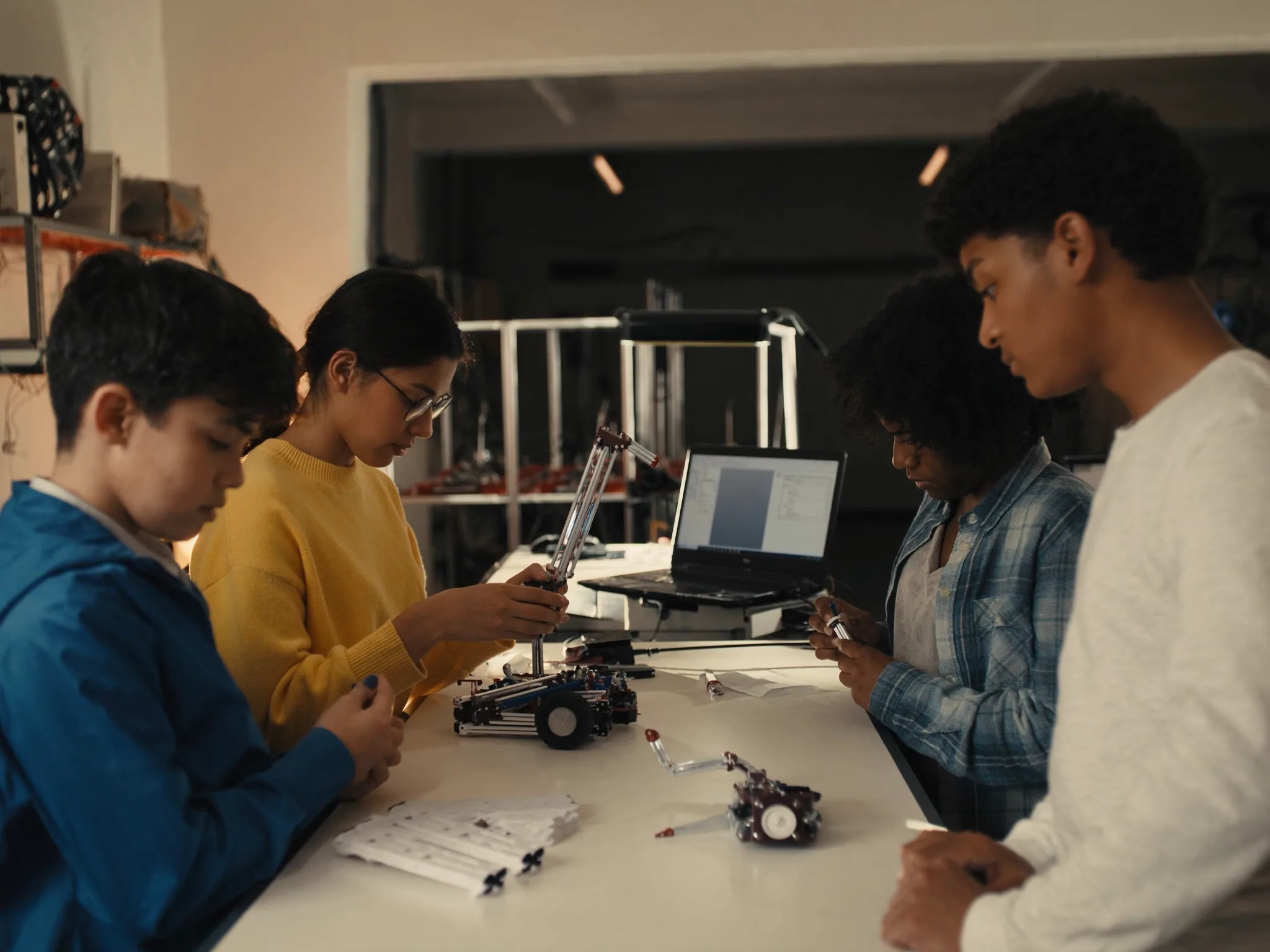
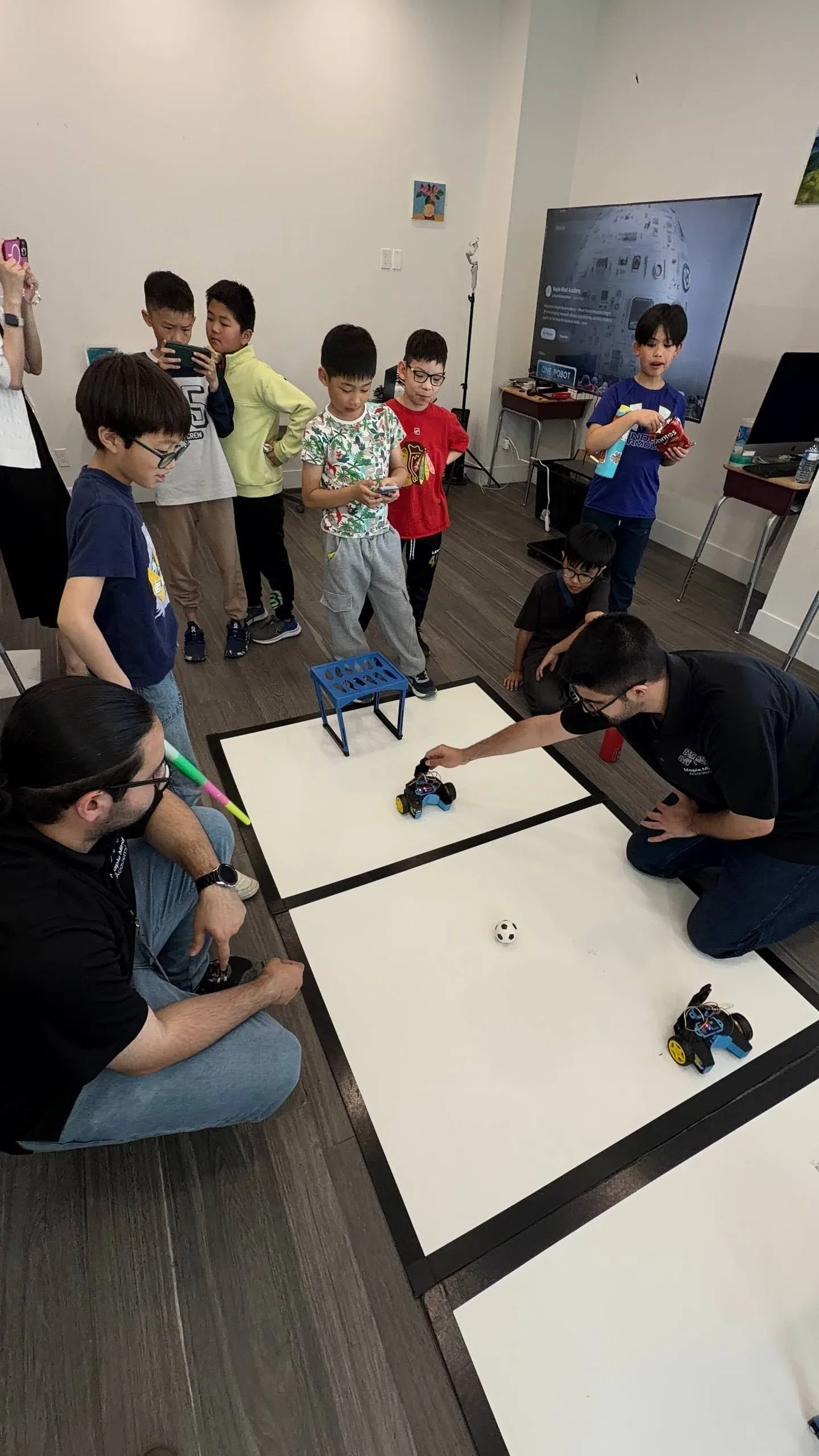
Instructors build the same robots their students will, because you cannot help somebody debug a machine you have never assembled.

  1. Build
  2. Teach
  3. Support
Beat 02

Teach second

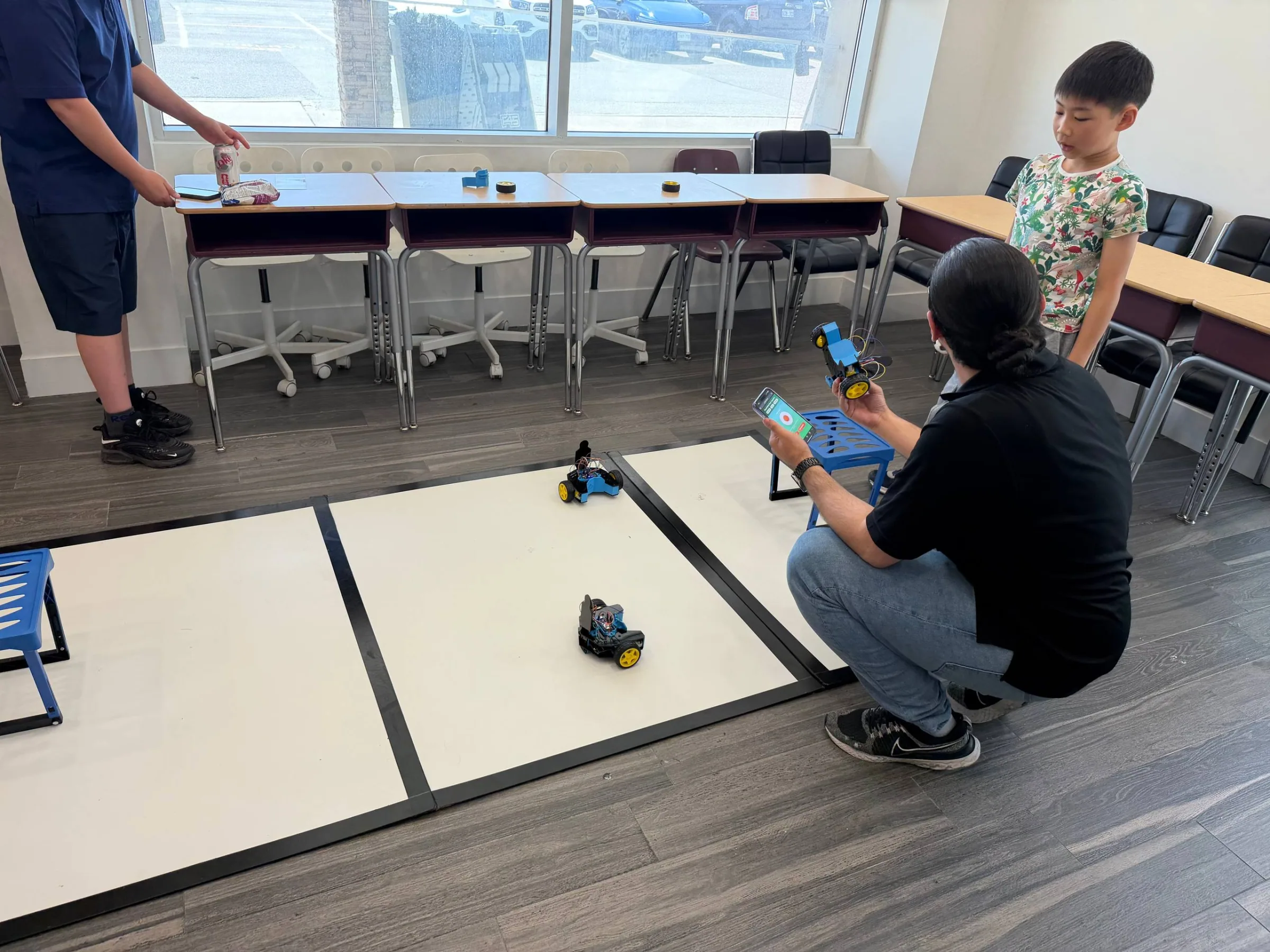
Delivery practice with feedback from senior instructors: pacing, when to intervene, and when to let a build fail.

  1. Build
  2. Teach
  3. Support
Beat 03

Support afterwards

Training does not end at the last session; support continues once your program is live and things start breaking.

  1. Build
  2. Teach
  3. Support
How it works
  1. 01

    Build first

    Instructors build the same robots their students will.

  2. 02

    Teach second

    Delivery practice with feedback from senior instructors.

  3. 03

    Support always

    Ongoing support once programs are live.

One part of a bigger system

Built in real classrooms. Turned into infrastructure.

Instructor training is the point where curriculum, software and hardware have to be teachable by someone who did not write them.

This programInstructor Development
Curriculum

Level-based progressions written against the hardware, not adapted to it.

FAQ

Questions about Instructor Development .

If you are a school

About the program

Every question, across the whole ecosystem
Other programs

Compare with the rest of the system.

In Person

Robotics Tracks

A weekly robotics class that keeps going: the same learner moves up through levels rather than repeating an introduction.

Who
11–16+
Format
Weekly
Level
Beginner → Advanced
Long-Term
In Person

Camps

A full week of robotics during a school break, ending with a robot the learner built from nothing.

Who
7–15
Format
Full-day / week-long
Level
Intro → Intermediate
Short Burst
Online / Hybrid

Hybrid & Online

Live robotics classes over video, with a real kit shipped to the learner so they are building actual hardware at home.

Who
9–16+
Format
Live cohorts
Level
Beginner → Advanced
Term-Based
Where to go from here
For an individual

Train as an instructor

For an organization

Bring instructor development in-house

Enrolment

Start at the right level, not the easy one.

Two minutes of questions tells us whether this program fits, or whether something else in the ecosystem fits better.